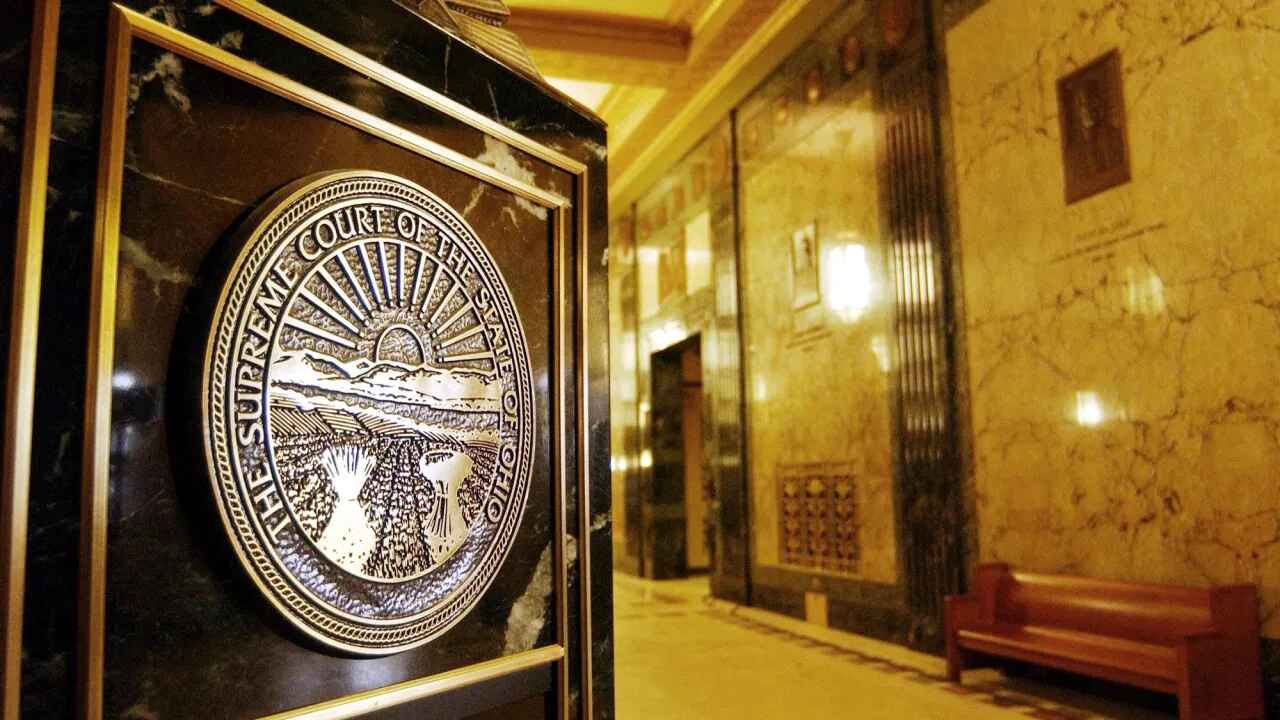
The Ohio Supreme Court, one of the key institutions of American democracy, has come under close scrutiny after receiving a failing “unsatisfactory” rating for transparency in disclosing information about gifts received by judges. This alarming signal, recorded in a report by the independent watchdog organization Fix the Court, highlights a crisis of trust in the judicial system sweeping the United States.
Judicial transparency is not merely a formal requirement but a foundation for ensuring justice. When judges make decisions affecting the lives of millions, the public has the right to know whether they are influenced by wealthy donors or other hidden interests. However, in Ohio, as in many other states, this trust is undermined by weak disclosure practices.
Declining Ratings: From “Average” to “Unsatisfactory”
This year's Fix the Court report revealed that the Ohio Supreme Court dropped from an “average” score of 24 points to a “fail” — only 20 points. The main reason was slow responses to requests for financial disclosure information. But that is just the tip of the iceberg.
The report found that Chief Justice Sharon Kennedy regularly receives gifts valued at over $75 from six couples whose names recur year after year. Yet current rules do not require disclosure of either the value or the nature of these gifts. Whether it’s a modest dinner or perhaps a luxurious vacation on a private island remains unknown to the public due to the lack of detailed information.
“This is not just a legislative gap; it’s a crack in the foundation of trust in the judicial system,” said Gabe Roth, founder of Fix the Court, in a written statement. He emphasized that full and accessible disclosure of financial information is critically important for restoring Americans’ faith in the courts.
Scandals at the Federal Level: Shadow Over the Entire System
Judicial ethics became even more prominent after revelations in 2023 when ProPublica disclosed undisclosed luxury trips taken by U.S. Supreme Court Justices Clarence Thomas and Samuel Alito, paid for by billionaires. These trips took place against the backdrop of decisions that strengthened the political influence of their sponsors. Such actions, bordering on corruption, only deepened public skepticism.
In Ohio, the situation isn’t as loud but is no less troubling. The lack of requirements for detailed gift disclosures leaves room for speculation. As one insider familiar with the state judiciary noted, “When a judge doesn’t disclose what exactly they were given, it’s not just a matter of ethics — it’s an invitation to distrust.”
Reaction of the Court: Formality Instead of Transparency
The Ohio Supreme Court’s Director of Information, Andy Ellinger, responded to inquiries about Judge Kennedy’s gifts with general phrases. “The court remains committed to compliance with all applicable rules and laws,” he stated in an email, avoiding specifics. Regarding Fix the Court’s low rating, he said the court “does not comment on third-party assessments or methodologies.”
This response only underscores the problem: instead of taking responsibility for increasing transparency, the court prefers to hide behind bureaucratic formulas. This contrasts with practices in other states such as California or New York, where courts actively improve their disclosure policies in response to public demand.
Path to Change: Is There Hope?
Fix the Court proposes a simple solution: introduce stricter reporting requirements, including disclosure of gift values, real estate details, and confirmation that judges have completed ethics training. These steps, though not radical, could significantly boost trust in Ohio’s judicial system.
However, as experts note, real change requires political will. State legislators, who have the authority to overhaul rules, often avoid this issue, fearing conflicts with influential judges. “It’s a vicious cycle,” says one local activist. “Judges don’t want change because that would limit their freedom, and lawmakers don’t want to upset judges because they settle disputes for them.”
Why Is This Important?
At a time when public trust in government institutions is falling to historic lows, courts remain the last bastion of justice. But without transparency, this bastion risks becoming a fortress of privileges. Ohio’s situation is not an isolated case but a symptom of a broader problem affecting the American judicial system.
The public deserves courts that not only deliver fair rulings but also demonstrate their impartiality through full transparency. Until the Ohio Supreme Court takes steps in this direction, its “unsatisfactory” rating will remain not only in the Fix the Court report but also in the minds of citizens seeking justice.