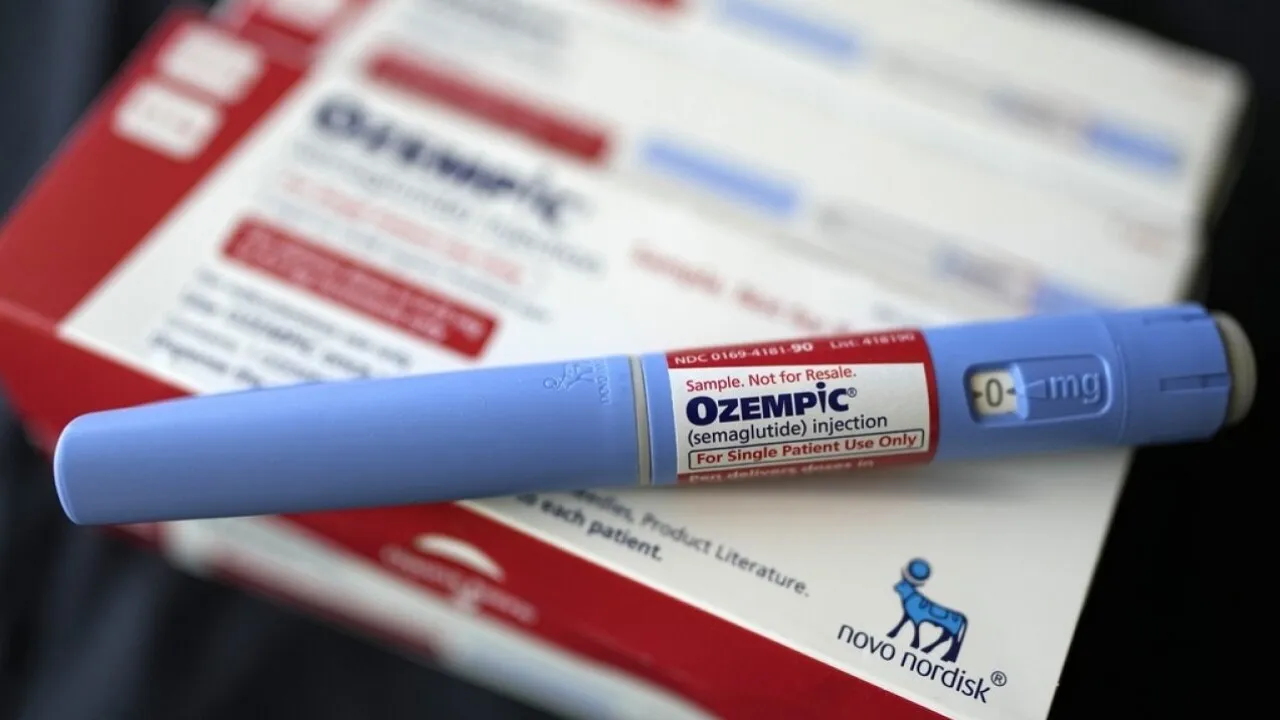
The Ohio legislature is unfolding a dramatic battle for access to revolutionary weight-loss drugs such as Ozempic and Wegovy, which have transformed the lives of thousands of people but have also posed financial challenges to the public healthcare system. Lawmakers, led by Republican Josh Williams, insist on restoring coverage for these medications for 106,000 state employees after the Department of Administrative Services (DAS) abruptly halted their funding from July 1. This decision, according to officials, was driven by the rapid increase in costs — up to $40 million annually — but it has sparked outrage among those who consider these drugs to be life-saving.
Personal struggle turned political
For Josh Williams, a 41-year-old legislator from Sytoda County, this fight is deeply personal. Twenty years ago, at age 21, he suffered a catastrophic injury after falling from a train nine meters high. His spinal fracture resulted in chronic pain, multiple surgeries, and opioid dependence, which destroyed his metabolism. His weight reached 208 kilograms, further intensifying his pain and limiting his mobility. But a GLP-1 class drug, known as Ozempic, became his salvation.
“This drug literally saved my life,” Williams said in an interview while sitting in his modest office in Columbus. “It enabled me to get out of bed, return to work, and live a full life.”
Now, Williams leads an initiative to reinstate access to these drugs for other public employees battling obesity. His bill, H.B. 388, proposes reimbursement of up to $500 per month in the first year of GLP-1 treatment and $250 in the second, provided workers meet medical criteria, including having a body mass index (BMI) of 30 or higher.
Partisan support and financial challenge
The bill has garnered support across the political spectrum. Co-author Democrat Dontavius Jarrells of Columbus emphasizes the importance of preventing chronic diseases. “These FDA-approved medications not only help with weight loss but also reduce the risk of diabetes, heart disease, and even some types of cancer,” Jarrells said. “We cannot ignore their potential to improve our workers’ health.”
However, DAS’s decision to cease coverage for GLP-1 for weight loss was prompted by strict financial realities. According to the department, costs for these drugs increased to $40 million in the 2025 fiscal year, representing a significant portion of the health budget. “It was a tough but necessary decision,” DAS spokesperson J. K. Benton stated in an email. “We are proposing alternative health and nutrition programs that are more cost-effective.”
Williams, however, believes DAS rushed the decision without consulting lawmakers. He estimates that H.B. 388 could cut costs in half to $20 million by setting clear criteria and limiting the number of beneficiaries. “This isn’t about cosmetic procedures,” he insists. “For many, it’s a matter of life and death.”
The complexity of choice: health versus budget
The sudden surge in popularity of GLP-1 drugs, initially developed for diabetes treatment, has placed unprecedented pressure on healthcare insurance systems nationwide. Sharon Hoffman, a professor of health law at Case Western Reserve University, says Ohio is no exception. “Only about half of the states cover these drugs for non-diabetic purposes,” she noted. “For many insurers, it’s a matter of priorities: if the budget is limited, cosmetic use of these medications is often excluded.”
Hoffman emphasizes that while GLP-1 drugs can be transformative for people with serious medical issues related to obesity, not everyone taking them has such indications. “For some, it’s really a lifestyle choice,” she added. “And insurance typically doesn’t cover these procedures.”
Williams also points to the role of pharmacy benefits managers (PBMs), whom he blames for inflating prices. “They make huge profits while our workers suffer,” he said, calling for reforms in the drug pricing system.
Looking ahead
As H.B. 388 moves through the legislative process, Williams prepares for a new chapter in his career. He is running for Congress, challenging longtime Rep. Marsi Captur of Ohio’s 9th district. Regardless of the outcome, he insists that his fight for access to GLP-1 is not motivated by personal gain. “I won’t benefit from this,” he said. “It’s about giving people a chance at a healthier life.”
In a state where obesity is a serious public health concern, the outcome of this fight could have far-reaching consequences. Will Ohio manage to strike a balance between financial constraints and the needs of its workers? The answer depends on whether lawmakers can persuade colleagues that investing in health is an investment in the future.